
Care Provider Sample Letter

One of the more complex tasks we faced was briefly summarizing the severity of the glutamate sensitivity to our care providers (teachers, babysitters, and even family). While this letter is specific to our son, it may help guide how to explain this to care providers.  You may also want to print this list for their reference. Dear [INSERT NAME OF RECIPIENT HERE], I know [INSERT CHILDS NAME HERE] food allergies can be pretty confusing, so I will attempt to give you a little more information about what we are dealing with. I apologize in advance for getting a [...]


Care Provider Sample Letter2023-08-10T17:04:09-04:00

Resources for ASD Parents

Recovering Kids– Shortly after we no longer qualified for a diagnosis, I was introduced to this group of parents fighting to recover their children.  Not only do they have a Facebook page, they also have this fantastic blog, TACA (Talk About Curing Autism Now)– TACA is an amazing non-profit dedicated in helping, supporting and empowering  families affected by autism.  It offers free autism parent mentors for autism families, and I am proud to be one of them.  While they don’t have much information regarding glutamate, they have a substantial amount of information available via their website, podcast, [...]

Resources for ASD Parents2019-09-03T14:29:56-04:00

Resources on Glutamate

Favorite Resources on Glutamate Interviews with Dr. Katie Reid: Interview with Dr. Katie Reid on the difference between bound glutamate, unbound glutamate and glutamate found in whole food: https://missionheirloom.wordpress.com/2014/11/06/why-have-you-heard-us-say-free-glutamate-and-no-vinegar/ Autism One Presentation by Dr. Katie Reid: https://www.youtube.com/watch?v=p4ji1c5SmaA More of her interviews can be found at: http://unblindmymind.org/media/ Grocery Store tour (after further research, not all of these sources are considered clean) https://www.youtube.com/watch?v=7jJj9W4uF_4 Sources for more information from Dr. Russell Blaylock: http://www.blaylockhealthchannel.com http://www.blaylockreport.com https://www.youtube.com/channel/UCPvDn8vvYN6rk890faj8RMg/videos http://amzn.to/2ynhOud. FANTASTIC BOOK by Dr. Blaylock (also available in audiobook) Sources for more information from Dr. Amy Yasko: The Role of Excitotoxins in Autistic Type Behavior  Autism Pathways to Recovery pg. [...]

Resources on Glutamate2020-10-02T11:33:43-04:00

A Story of Hope: ATEC 2 Month Update

We occasionally get letters or comments from parents that have seen improvements in health with diet changes. To help provide hope to so many still in the trenches, I’ve decided to make more of an effort to share some these comments (with their permission, of course). Many of us don’t have it all figured out, but we cling to the hope and words of progress. Everyone’s journey is different, diet changes may not reap huge changes for all, but it is absolutely helping some. Like this family, glutamate and diet have been a huge piece to our [...]

A Story of Hope: ATEC 2 Month Update2020-10-01T16:06:33-04:00

Lowering Glutamate | Milk Thistle

Milk Thistle (contains flavonoid, silymarin)– inhibits microglial activation. “Silymarin protects dopaminergic neurons against lipopolysaccharide-induced neurotoxicity by inhibiting microglia activation” .https://www.ncbi.nlm.nih.gov/pubmed/12473078 "In conclusion, it was conducted that there were toxic effects of MSG on male rabbits through increase the damage in the liver and Kidney and oxidative stress through elevation in ALT, AST enzymes, creatinine and cholesterol. Also, with adding Silymarin daily in a dose of (1.2mg/100g BW) showed ameliorative Impact of (Silymarin) on Monosodium Glutamate Toxicity" HEMATOLOGICAL STUDY OF SILYMARIN ON MONOSODIUM GLUTAMATE TOXICITY IN RABBITS http://www.plantarchives.org/SPL%20ISSUE%2020-2/1__1-6_.pdf OTHER BENEFITS Anti-inflammatory Antioxidant Can help with glutathione production Improves [...]

Lowering Glutamate | Milk Thistle2024-08-24T18:59:51-04:00

Lowering Glutamate | B8 (Inositol)

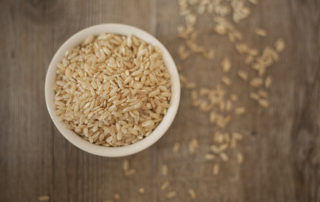
Vitamin B8 (Inositol)- found in brown rice, organ meats, citrus, nuts, and leafy greens. Inositol (B8) is key in excess glutamate break down… “As a nootropic, Vitamin B8 (Inositol) can be used to treat panic attacks and anxiety, depression, Obsessive Compulsive Disorder (OCD), bulimia, depression in bipolar disorder and mood swings.” https://nootropicsexpert.com/vitamin-b8-inositol/

Lowering Glutamate | B8 (Inositol)2024-08-24T18:29:14-04:00

Lowering Glutamate | B12

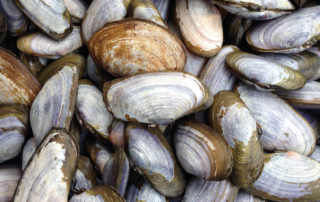
Vitamin B12- found in beef, liver, chicken, clams, and tuna. “Protective effects of methylcobalamin, a vitamin B12 analog, against glutamate-induced neurotoxicity in retinal cell culture. Chronic administration of methylcobalamin protects cultured retinal neurons against N-methyl-D-aspartate-receptor-mediated glutamate neurotoxicity, probably by altering the membrane properties through SAM-mediated methylation.” https://www.ncbi.nlm.nih.gov/pubmed/9112980 “Vitamin B12 enhances GABA content but reduces glutamate content in the rat suprachiasmatic nucleus.” https://www.ncbi.nlm.nih.gov/pubmed/9249572

Lowering Glutamate | B122024-08-24T18:26:30-04:00

Lowering Glutamate | Vitamin C

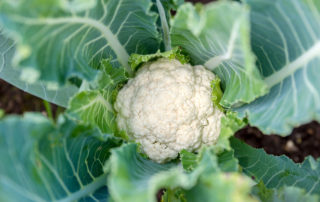
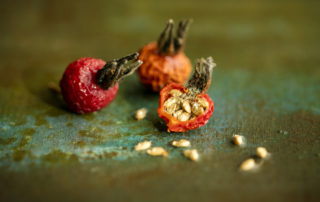
Vitamin C- Vitamin C is intertwined with glutamate signaling and glutamate release. It has the ability to neutralize free radicals, reduce oxidative stress, improve mitochondrial function, and offer protection during glutamate release. The use of whole food sources such as rose hips, Camu Camu, guava, kiwi, strawberry, cherry, blackberry, blueberry, raspberry, beet, carrot, spinach, broccoli, kale, cabbage, parsley, brussel sprouts, ginger, cauliflower, cranberries, asparagus, etc. are much preferred over supplementation in my opinion (glutamate risk and may contribute to oxalate issues). “Vitamin C also has antioxidant properties that may prove to be helpful in treating HD. [...]

Lowering Glutamate | Vitamin C2024-08-24T19:11:35-04:00

Lowering Glutamate | Zinc

Zinc-  It is important to note that zinc and copper need to be in balance and supplementing with one can disrupt this balance. New study presents a working model that could point to a better understanding of autism’s underpinnings. “The new study, led by Stanford neuroscientists John Huguenard, PhD, and Sally Kim, PhD, and then-graduate student Huong Ha, PhD, showed that zinc is required for the proper behavior of two related proteins, Shank 2 and Shank 3, that hang out at most synapses in the brain. Among their duties, Shank 2 and Shank 3 can reshuffle [...]

Lowering Glutamate | Zinc2024-08-24T19:13:31-04:00
Go to Top