


Brain Injury & Trauma
This is not a comprehensive list, simply some articles I have found along the way. “The window of post-traumatic epileptogenesis, as well as the post-TBI window of vulnerability to a second injury, extends beyond the acute period. The pathophysiology that follows in the days, weeks and months after injury involve compensatory processes of receptor up and down regulation, alterations in subunit composition and a growing imbalance of glutamate driven excitation and GABA mediated inhibition. A recent study by Cantu and [...]

Autism & Sensory Processing Disorder
This is not a comprehensive list, simply some articles I have found along the way. See immune function, mitochondrial dysfunction, microbial imbalances, seizures, ADHD, speech & language, movement disorders, sensory processing disorder, obsessive-compulsive disorder, methylation, metals, and EMF’s tab for additional information related to glutamate and autism. Favorite article on the role of glutamate in autism: http://www.holistichelp.net/blog/how-to-increase-gaba-and-balance-glutamate/ Great article linking autism symptoms to excess glutamate and glutamate dysfunction: http://www.ageofautism.com/2011/03/autism-and-glutamate-dysfunction-avoid-the-cause-race-to-the-cure.html Amazing flowchart on how free glutamate affects autism spectrum disorder, by Carol Hoernlein [...]

Anxiety & Depression
This is not a comprehensive list, simply some articles I have found along the way. Ever hear people talk about their need for Xanax to relax or calm their anxiety? Xanax and other benzodiazepine pharmaceutical options (Valium works similarly) help to temporarily restore balance between glutamate and GABA by artificially increasing GABA. This increase in GABA calms the over excitation from excess glutamate, acting as a mild sedative. Unfortunately, artificially increasing GABA through the use of these pharmaceuticals will actually decrease [...]

Ammonia
This information is here to help support you if you struggle with high ammonia levels. Not everyone will necessarily need to implement these changes. High levels of ammonia are frequently found in those on the autism spectrum. Ammonia may be high for many reasons, including bacterial imbalances, overgrowth of E.coli, clostridia, klebsiella, parasites, protein consumption, and so on, and ammonia is a byproduct of their metabolism. One of the most common symptoms of high ammonia is the strong smell of [...]

Alzheimers
“Troriluzole is a drug that modulates glutamate, protecting against neuron loss," the Alzheimer’s Disease Cooperative Study said in a release. "Glutamate problems in the brain can lead to brain cell dysfunction and disease, including Alzheimer’s disease."http://fox17.com/news/local/new-alzheimers-drug-tested-at-vanderbilt-seeks-to-slow-or-stop-memory-loss “Article says that new research shows that a lack of glutamate receptors is associated with Alzheimer's. Put that together with the fact that glutamate receptors can be killed off by ingesting free glutamic acid (MSG) and you've got MSG causing Alzheimer's.”https://bigthink.com/surprising-science/alzheimers-epigenetic-treatment-mice "Excitotoxicity resulting from excessive [...]

A Story of Hope | “My Child is now 100% Neurotypical”
We occasionally get letters or comments from parents that have seen improvements in health with diet. To help provide hope to so many still in the trenches, I’ve decided to make more of an effort to share some these comments (with their permission, of course). Many of us don’t have it all figured out, but we cling to the hope and words of progress. Everyone’s journey is different, diet changes may not reap huge changes for all, but it is absolutely [...]
ADHD & Hyperactivity
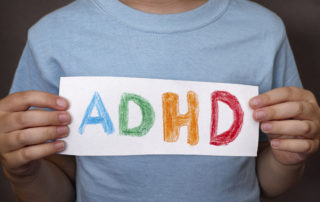
As an excitatory neurotransmitter, glutamate is behind ADD/ADHD. Glutamate is also the most abundant neurotransmitter, responsible for regulating over 50% of the nervous system. It is classified as an excitatory neurotransmitter, which means it excites or stimulates nerve cells located throughout the nervous system. As you can imagine, when the brain is overexcited, it will lead to an increase in hyperactivity, impulsivity, and impact movement and motor control. When glutamate is in excess it is extremely toxic to the brain and [...]

Addiction
Glutamate plays a central role in the development and maintenance of addictive behaviors in all addictions as it alters reward signaling. Normalization of glutamate signaling should make a significant improvement in addictive behavior and underlying addiction. This is not a comprehensive list, simply some articles I have found along the way. “Traditionally, addiction research in neuroscience has focused on mechanisms involving dopamine and endogenous opioids. More recently, it has been realized that glutamate also plays a central role in processes [...]

Managing a Dietary Infraction
Help, my child has accidentally consumed a food source of glutamate. How can I help them calm down?!? We've all been there before, and I am convinced I have some PTSD from adverse reactions like this. While not medical advice, immediately* following a dietary infraction, we give a capsule of activated charcoal (opened and poured into a glass of water...it will turn the water black). We also try to increase fibrous vegetables and water consumption to help detox on a cellular [...]

Care Provider Sample Letter
One of the more complex tasks we faced was briefly summarizing the severity of the glutamate sensitivity to our care providers (teachers, babysitters, and even family). While this letter is specific to our son, it may help guide how to explain this to care providers. You may also want to print this list for their reference. Dear [INSERT NAME OF RECIPIENT HERE], I know [INSERT CHILDS NAME HERE] food allergies can be pretty confusing, so I will attempt to give you a [...]