

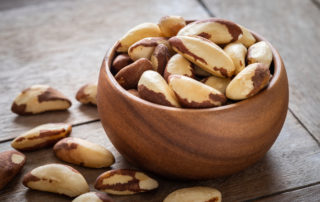
Lowering Glutamate | Selenium
Selenium- One brazil nut per day should give you the daily recommended amount of selenium needed. “These results suggest that glutamate targets the mitochondria and selenium supplementation within physiological concentration is capable of preventing the detrimental effects of glutamate on the mitochondria” http://www.ncbi.nlm.nih.gov/pmc/articles/PMC3378533/42
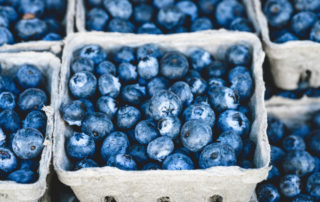
Lowering Glutamate | Resveratrol
Resveratrol– found in red grapes, red wine, blueberries, peanuts and dark chocolate, calms microglial activation. “Resveratrol reduced glutamate-induced damages” “Resveratrol interacts with the complex III of the respiratory chain, is a radical scavenger and also suppressor of radical formation in the mitochondria. It reduces the intracellular calcium levels in pre- and postsynaptic neurons and also may inhibit the pro-apoptotic factors in glutamate overflow that occurs, e.g. in excitotoxicity. In cell cultures, glutamate overflow leads to formation of free radicals and [...]
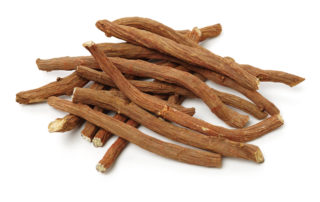
Lowering Glutamate | Red Sage (Dan Shen)
Red Sage/Dan Shen– Red sage aka dan shen, inhibits glutamate release. “These results show that tanshinone IIA inhibits glutamate release from cortical synaptosomes in rats through the suppression of presynaptic voltage-dependent Ca(2+) entry and MEK signaling cascade” https://www.ncbi.nlm.nih.gov/pubmed/23542145

Lowering Glutamate | Qing Brick Tea
Qing Brick Tea– Our results showed that QBT intake was effective in protecting monosodium glutamate-induced obese mice against metabolic syndrome and involved in the Nrf2 signaling pathway in the skeletal muscle.” https://www.sciencedirect.com/science/article/abs/pii/S0753332217362029
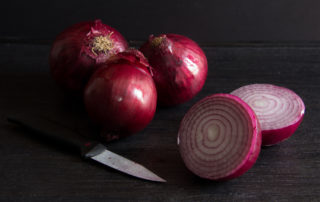
Lowering Glutamate | Quercetin Flavonoid
Quercetin- Inhibits glutamate release and is found in onion (highest in red onion), raw chili peppers, asparagus, kale, berries, plums, peppers, broccoli, sophora japonica leaf/flowers. However, we have also used this supplement. “These results suggest that quercetin inhibits glutamate release from rat cortical synaptosomes and this effect is linked to a decrease in presynaptic voltage-dependent Ca(2+) entry and to the suppression of PKC and PKA activity.” https://www.ncbi.nlm.nih.gov/pubmed/23933436 Protective effects of onion-derived quercetin on glutamate-mediated hippocampal neuronal cell death “This is the first [...]
Lowering Glutamate | Pyrroloquinoline Quinone (PQQ)
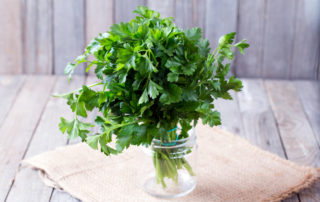
Pyrroloquinoline quinone (PQQ)- Widely found in bacteria and foods such as spinach, celery, parsley, kiwi papaya and beans. It is known to stimulate the production and efficiency of mitochondria, protects against free radicals and reduces nitric oxide production. Defiencies in PQQ are associated with immune deficiency, dry skin, infertility and low overall fitness. “our results indicated that PQQ could protect primary cultured hippocampal neurons against glutamate-induced cell damage by scavenging ROS, reducing Ca2+ influx, and caspase-3 activity, and suggested that PQQ-activated [...]

Lowering Glutamate | Pomegranate
Pomegranate- “Neuroprotective effects of pomegranate effects are reducing accumulations of amyloid plaques in hippocampus, preventing neuronal tissue loss, modulating GABA and glutamate levels, inhibiting acetylcholine esterase and inhibiting lipid peroxidation in brain.” A comprehensive review of the neuroprotective effects of pomegranate.

Lowering Glutamate | Narigenin Flavonoid
Naringenin Flavonoid (found in citrus, grapes, etc.)- ” Furthermore, naringenin induced the brain-derived neurotrophic factor and other neuroprotective cytokines, and markedly improved the survival rates of the neurons 24 h following glutamate exposure. The observed results suggest that the naturally occurring bioflavonoid (naringenin) exerts neuroprotective effects via highly specific molecular targets in neurons.” Protective effect of naringenin on glutamate-induced neurotoxicity in cultured…. Available from:https://www.researchgate.net/publication/276868364_Protective_effect_of_naringenin_on_glutamate-induced_neurotoxicity_in_cultured_hippocampal_cells “There was significant recovery of glutathione content and all the antioxidant enzymes studied. Also in case of [...]
Lowering Glutamate | Moringa
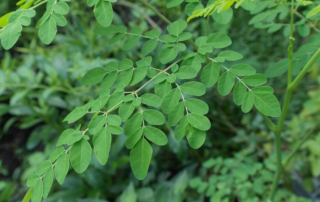
Moringa and Glutamate Moringa has shown to help mitigate the damages of dietary monosodium glutamate by modifying liver function, oxidative stress, DNA damage, kidney injury, liver injury, and PCNA expression. Roles of Moringa oleifera Leaf Extract in Improving the Impact of High Dietary Intake of Monosodium Glutamate-Induced Liver Toxicity, Oxidative Stress, Genotoxicity, DNA Damage, and PCNA Alterations in Male Rats https://www.hindawi.com/journals/omcl/2018/4501097/ "Monosodium glutamate (MSG) produces adverse and damaging effects in different organs like liver and kidneys. Moringa causes ameliorating effect on kidney [...]

Lowering Glutamate | Passion Flower
Passion Flower- is known to increase levels of GABA in the brain, calm, decrease anxiety, improve sleep, improve liver function, and help to recover from adrenal fatigue. "The properties in passionflower are thought to promote calming effects by increasing the levels of the chemical gamma-aminobutyric acid (GABA), which reduces the activity of some neurons that cause anxiety." https://www.drweil.com/vitamins-supplements-herbs/herbs/passionflower/ "Passiflora incarnata L. (Passionflower) extracts elicit GABA currents in hippocampal neurons in vitro, and show anxiogenic and anticonvulsant effects in vivo, varying with extraction method" https://www.ncbi.nlm.nih.gov/pmc/articles/PMC2941540/ "Passionflower (Passiflora [...]